Target architecture, integration scope, timeline, and measurable targets.
Quantum Mobility is a new business. This page describes the architecture, timelines, and operational targets we are opinionated about — not case studies from completed deployments. Every number below is a commitment we're designing the system to meet inside structured pilot programs.
If you're evaluating us against a vendor with a 10-year track record, you should know what you're getting: a specific architectural stance, a published reference model, and an honest conversation about where we are.
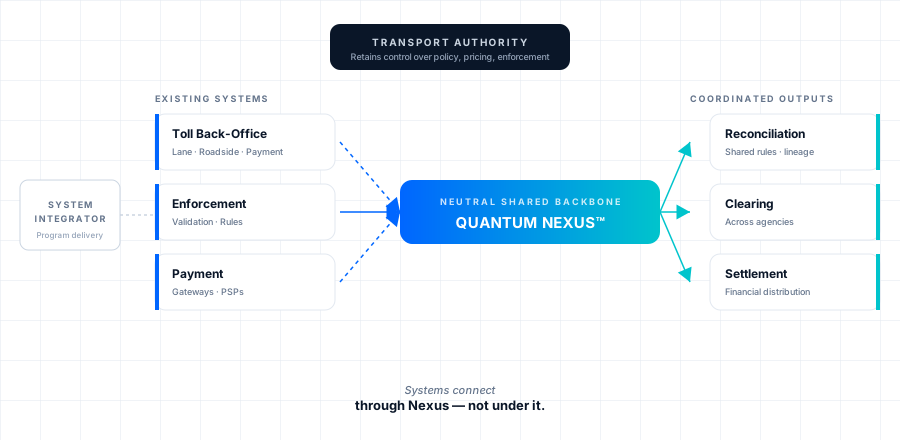
A Quantum Mobility deployment sits between your existing field systems and the coordinated reconciliation, clearing, and settlement outputs your finance and audit teams need.
Target timeline for a pilot-scope deployment — one operator or authority, limited jurisdictional scope, no re-platforming of existing systems.
Jointly define the integration surface: which systems feed Nexus, which outputs it returns, responsibility boundaries. Produce a signed-off integration specification.
Establish inbound feeds. Validate transaction ingestion against historical samples. Confirm field and enforcement systems remain unchanged.
Run the first full reconciliation cycle in parallel with your existing process. Compare outputs, investigate deltas, tune shared rules.
Produce first settlement outputs against the production cycle. Hand over the operational runbook. Agree on pilot extension or structured exit.
Target: 6 months to first reconciliation cycle in production. 26 weeks to first settlement output.
These are the architectural targets we design the system to meet. They are measurable, observable inside a pilot, and written into structured engagement terms.
Reconciliation cycles close within the agreed cadence (daily or weekly, depending on program). Cycle drift is surfaced immediately, not discovered at month-end.
Exceptions and disputes are ranked by financial and operational impact. The long tail of manual reconciliation work is reduced, not eliminated — we're honest about that.
Every transaction maintains a tamper-evident lineage from capture through settlement, accessible to the parties that need it — including regulators and finance teams.
Settlement outputs are produced without Quantum Mobility taking custody of revenue flows. Participating authorities and operators retain financial control.
Existing field, capture, validation, and enforcement systems continue to operate within their own boundaries throughout the deployment.
Pilot engagements have defined exit terms up front. If the deployment doesn't meet its targets or the program changes direction, the transition path is written into the agreement.
| Your Existing Systems | Quantum Nexus™ |
|---|---|
| Capture & event generation | Transaction coordination across operators |
| Validation & enforcement | Reconciliation across agencies |
| Field & roadside logic | Clearing workflows |
| Operator customer relationships | Settlement & financial distribution |
| Authority policy, pricing, exemptions | Cross-system orchestration |
Defined boundaries. Clear responsibilities. No scope conflict.
The best way to evaluate a reference deployment is against your actual environment. Pilots begin with a 4-week scoping engagement.